

Best Time To Go To St Augustine: 7 Myths Busted


The best time to go to St. Augustine is broadly spring (March through May) and early fall (October through November), when temperatures sit between 65°F and 81°F and rainfall stays below 4 inches per month. But that conventional answer leaves out the Nights of Lights winter season, mischaracterizes summer as unvisitable, and ignores how dramatically the right answer changes depending on who is traveling.
Spring (March through May) and fall (October through November) offer the most comfortable weather for outdoor exploration, with average highs between 74°F and 81°F and manageable rainfall.
St. Augustine's Nights of Lights festival, typically running late November through January, is one of the most celebrated seasonal events in the Southeast and makes winter a legitimate peak travel period, not a dead season.
Summer (June through August) is hot and humid with frequent afternoon thunderstorms, but morning beach time before 11 AM and museum visits midday keep the season fully enjoyable with the right planning.
According to Florida's Historic Coast tourism data, St. Augustine receives more than 6 million annual visitors, making crowd management as important as weather when choosing your travel window.
January and February represent the true off-season with the lowest hotel rates, fewest crowds, and daytime highs still reaching 67°F, making them underrated months for budget travelers and history enthusiasts.
Your traveler type matters more than the calendar: families bound by school schedules, couples seeking romance, and budget-focused visitors each have a different optimal window.
Why Does Everyone Get the Best Time To Visit St. Augustine Wrong?
The conventional wisdom around the best time to go to St. Augustine is a product of copy-paste travel writing. Most articles sort visitors into two buckets: "come in spring or fall, avoid summer heat, winter is quiet." That framework is not wrong, exactly. It is just incomplete in ways that cost travelers real enjoyment and cost property owners real revenue. St. Augustine has not one seasonal rhythm but four distinct demand peaks, each with its own crowd profile, pricing dynamics, and activity slate.
At In The Sun VR, managing vacation rentals across Vilano Beach, the Historic District, Crescent Beach, and St. Augustine Beach, our team sees firsthand how these myths play out. Guests cancel February bookings assuming it will be cold and dead. Families skip June because they read "hurricane season" and picture a flooded coastline. Couples avoid November because they assume the holiday crowds will ruin it. Most of those fears are grounded in partial truths, not full pictures.
This article tackles the seven most persistent myths about St. Augustine's travel calendar, corrects each one with verified data, and gives you a framework for choosing the window that actually fits your trip. Whether you are planning your own vacation or, as a property owner, trying to understand which periods drive your rental revenue, the truth is more nuanced and more useful than the standard seasonal guide.
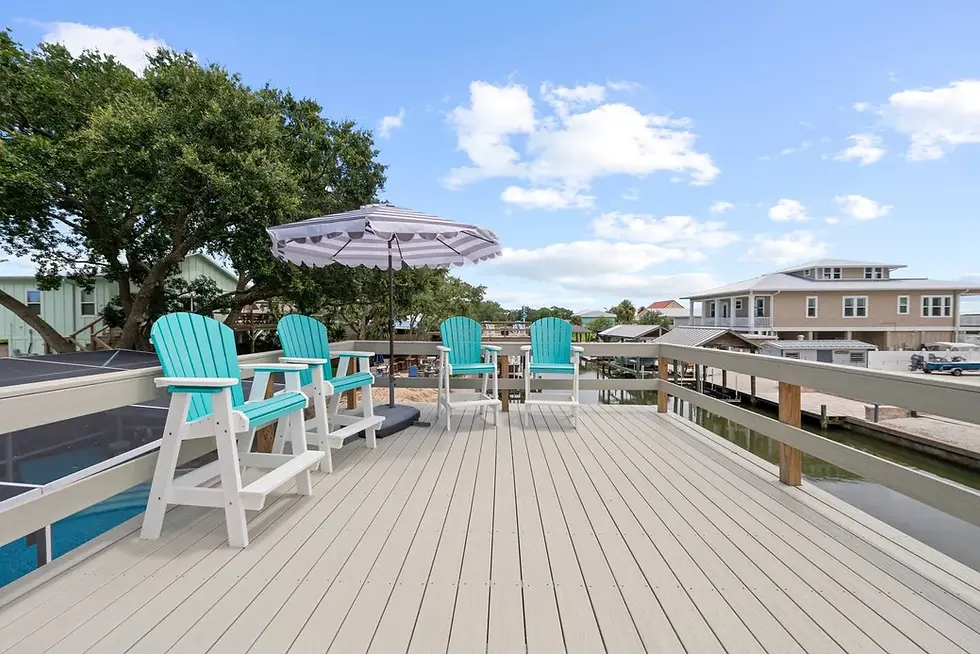
Myth 1: Summer Is Too Hot to Enjoy St. Augustine
Summer in St. Augustine is genuinely warm, with July averaging a high of 89°F and August reaching 89°F with approximately 18 wet days. But calling summer "too hot to visit" misses how most savvy travelers navigate it. The heat is concentrated between 11 AM and 4 PM. Mornings on Anastasia State Park's beach are legitimately beautiful before that window, and the Lightner Museum, housed in a former luxury hotel from the late 1800s, provides one of the most architecturally rewarding midday retreats in Northeast Florida.
Specifically, June through August delivers one major advantage competitors rarely mention: the full summer activity calendar. The Fourth of July fireworks over Matanzas Bay are one of the most scenic patriotic events on Florida's northeast coast. Ghost tours run at peak frequency through the summer months. The Summer Music Series brings free concerts to historic venues through August. These are not consolation prizes for hot weather. They are reasons to come.
Summer also carries the practical benefit of school-break alignment. Families with children have limited scheduling flexibility, and June through August is simply when most of them can travel. Understanding that reality shapes how you plan: book accommodations early (spring break and summer properties fill 60 to 90 days out for premium inventory), plan indoor activities for midday, and build mornings around beach access. The heat is manageable. The myth that it is not is a disservice to traveling families.
What's the Best Month to Go to St. Augustine?
The single best month to go to St. Augustine is October, with November as a close second. October combines genuinely pleasant weather (averaging 65°F low and 81°F high) with only 4 inches of rainfall, thinning summer crowds, and the start of the fall festival calendar. November edges it out on rainfall, with just 2.2 inches and only 6.3 wet days, making it statistically the driest month of the year. But October's shoulder-season pricing and warm-enough beach temperatures give it a slight edge for travelers who want both comfort and value.
For travelers who cannot travel in fall, March and April are the second-best window. March averages a high of 74°F with 3.4 inches of rain, and April climbs to 79°F with only 2.8 inches. Both months carry the risk of spring break crowds, particularly the second and third weeks of March. If you are visiting in spring, the first week of March or the last two weeks of April will give you spring weather without peak spring-break congestion.
The practical answer also depends on your priorities. Here is a straightforward breakdown:
Traveler Type | Best Month(s) | Why |
History and architecture focus | January, February, October | Thin crowds at the Castillo de San Marcos National Monument, comfortable walking temperatures |
Beach and outdoor activities | May, October | Warm enough to swim, low rainfall, manageable crowds |
Families with school schedules | June (early), August (late) | Full summer programming, beach-ready, lower rates at start and end of summer |
Budget travelers | January, February | True off-season rates, highs still reaching 67°F, nearly empty historic sites |
Holiday and light events | December, early January | Nights of Lights festival, festive atmosphere throughout the Historic District |
Couples and romantic travel | April, November | Post-spring-break quiet, excellent weather, walkable evenings on St. George Street |
What Is the Busiest Time in St. Augustine?
The busiest time in St. Augustine refers to two distinct peak periods that bring the highest visitor volumes and the most competitive accommodation pricing. According to Florida's Historic Coast tourism data, St. Augustine receives more than 6 million annual visitors annually, and that demand concentrates heavily in two windows: spring (March through May, driven by spring break and favorable weather) and the holiday season (late November through January, driven by Nights of Lights and holiday tourism). Summer (June through August) represents a secondary high-demand period tied to school breaks.
Spring break deserves a specific warning. The second and third weeks of March transform St. George Street from a walkable, charming pedestrian lane into something closer to a crowded theme-park midway. If your priority is the authentic, unhurried experience of the Colonial Quarter and the Fountain of Youth Archaeological Park, visiting the first week of March or waiting until April 15 and beyond will dramatically improve it.
The Nights of Lights window surprises many first-time visitors. The streets around the Historic District become genuinely festive from late November through early January, with millions of white lights covering the old city. This is not a quiet shoulder season. It is one of the Southeast's most attended holiday events, and accommodations in the downtown corridor book out weeks in advance at elevated rates. For property owners, this period is a revenue opportunity that dynamic pricing needs to capture well in advance, not reactively.
AirDNA market data for St. Augustine shows an overall STR occupancy rate of 56% annually, with RevPAR reaching $158 and growing 6% year-over-year. Those averages mask the peaks: properties in well-located neighborhoods during Nights of Lights and spring break consistently outperform that baseline by a substantial margin.

Myth 2: Winter in St. Augustine Is Dead Season
Winter in St. Augustine is not a dead season. It is a misunderstood one. January averages a daytime high of 67°F and February climbs to similar readings, with lows dipping to around 48°F on the coldest nights. That is not beach weather by Florida standards, but it is perfectly comfortable for walking the narrow cobblestone lanes of the Historic District, touring the Castillo de San Marcos National Monument, and enjoying the city's restaurant scene without a two-hour wait.
The bigger point is Nights of Lights. St. Augustine's annual winter lighting event covers more than 40 blocks of the old city in white lights from late November through January. For property owners, this transforms what would otherwise be the off-season into a genuine demand peak. For travelers, it creates one of the most visually striking urban experiences in the Southeast, and it is largely absent from the travel narratives that dismiss winter as quiet.
January and February do represent the softest tourist demand of the year after Nights of Lights winds down. But "soft demand" for a city that draws 6 million visitors annually still means a functioning tourism ecosystem. Restaurants are open, attractions are fully staffed, and accommodation rates are at their annual low. For budget travelers, independent travelers, and anyone who prioritizes unhurried access to historic sites over warm beach days, January and February deliver a genuinely superior experience to the crowded spring peak.
Myth 3: Hurricane Season Makes Fall Visits Too Risky
Atlantic hurricane season officially runs June 1 through November 30, and St. Augustine sits on Florida's northeast coast where the Matanzas River meets the Atlantic Ocean. But hurricane risk is not uniformly distributed across those six months. The statistical peak of Atlantic hurricane activity falls in mid-September, and Northeast Florida historically receives far fewer direct hurricane impacts than South Florida or the Gulf Coast. September and October are still worth visiting with appropriate awareness, not avoidance.
Practically, the approach is straightforward. First, purchase travel insurance that includes storm cancellation coverage if you are booking fall travel more than 60 days out. Second, monitor the National Hurricane Center's forecasts in the week before travel, not months ahead. Third, understand that St. Augustine's location on the northeast coast means storms tracking up the Gulf often stay well west of the city. The risk is real but manageable, not a reason to write off September and October entirely.
September specifically offers a compelling value proposition: average highs of 86°F with gradually decreasing humidity compared to August, only 5.4 inches of rainfall, and significantly lower accommodation rates than summer peak. The Anastasia State Park beach is far less crowded than it was in July, and the same historic attractions that draw spring crowds are accessible without the wait times. For travelers with flexibility and a weather eye, September is an underrated window that most travel guides dismiss with a single hurricane-season warning and nothing further.
How Many Days Are Needed in St. Augustine?
Most visitors need three to four days in St. Augustine to cover the Historic District, at least one full beach day, and two or three of the major historic attractions without feeling rushed. A two-day visit is possible but leaves out either the beach entirely or a meaningful engagement with sites like the Castillo de San Marcos National Monument, the Lightner Museum, and the St. Augustine Lighthouse and Maritime Museum. Five days or more suits travelers who want to day-trip to nearby natural areas or spend extended time on Anastasia State Park's beach.
The right stay length also varies by season. During Nights of Lights (late November through January), two focused evenings in the lit-up Historic District plus daytime exploration comfortably fills three nights. During summer, factor in that midday heat pushes you indoors for two to three hours daily, which means activities take longer to complete than the map suggests. Spring and fall visitors with comfortable walking weather can cover more ground per day and may find three nights sufficient.
For property owners, stay-length data matters for pricing strategy. AirDNA data shows that the most common minimum stay requirement among St. Augustine STR listings is 3 nights (34.2% of listings), followed by 2 nights (28.5%). Aligning your minimum stay policy with natural visitor behavior, rather than defaulting to a 1-night minimum that invites high-turnover guests, is a direct revenue optimization lever. This is the kind of adjustment In The Sun VR's revenue management team evaluates systematically across its managed properties.
Myth 4: Spring Break Ruins the Entire Spring Season
Spring break affects roughly two to three weeks of St. Augustine's spring calendar, not the entire March-through-May window. The specific crowd peak concentrates in the second and third weeks of March, when college students and families with spring schedules descend on the Historic District and beach areas simultaneously. Outside that window, spring offers some of the best conditions of the entire year.
Specifically, late March after the spring break cohort departs, all of April, and most of May offer temperatures between 74°F and 84°F with rainfall under 3.5 inches per month and noticeably thinner crowds at every major attraction. The Spring Arts and Crafts Festival typically runs in March, the Rhythm and Ribs Festival arrives in April with a barbecue competition and live music, and the St. Augustine Music Festival brings classical performances to historic venues. These are not tourist traps. They are genuine community events that happen to be easy to attend during shoulder-spring.
The practical guidance: if you are planning a spring trip and have any flexibility, avoid March 10 through March 25. Book the first week of March if you want spring weather without crowds, or hold out for late April and enjoy what is arguably the most pleasant month on St. Augustine's entire calendar. Accommodation rates also ease after spring break, making late April one of the better value windows of the year.

A Season-by-Season Quick Reference for St. Augustine
A season-by-season breakdown of St. Augustine refers to the four distinct visitor windows that each carry different weather profiles, crowd levels, event slates, and pricing dynamics. The table below uses verified temperature and rainfall data to give you a factual foundation for planning, rather than vague seasonal impressions.
Season | Months | Avg High / Low | Monthly Rainfall | Crowd Level | Best For |
Spring | March to May | 74°F to 84°F / 55°F to 67°F | 2.8 to 3.5 inches | High (spring break peak in mid-March) | Outdoor exploration, festivals, beach days |
Summer | June to August | 87°F to 89°F / 73°F to 75°F | 5.8 to 7.1 inches | High (families, school-break travelers) | Beach, evening events, family-friendly activities |
Fall | September to November | 75°F to 86°F / 57°F to 72°F | 2.2 to 5.4 inches | Low to moderate (shoulder season) | Value travel, historic sites, outdoor walks |
Winter | December to February | 67°F to 70°F / 48°F to 50°F | 2.4 to 2.7 inches | High (Nights of Lights) then low (Jan-Feb) | Nights of Lights, budget travel, uncrowded museums |
A few data points worth highlighting from this table: August is the wettest month with 7.1 inches of rainfall and approximately 18 wet days, making it the hardest summer month to plan around. November is the driest month with only 6.3 wet days, reinforcing its position as one of the best overall months. Winter lows can dip to 48°F in January, which is relevant if you are packing for outdoor evening events during Nights of Lights.
Myth 5: There Is No Good Reason to Visit St. Augustine in January or February
January and February in St. Augustine are the best months of the year for a specific type of visitor: the history-focused traveler, the budget-conscious couple, or anyone who has been to the city before and wants to experience it without the performance aspect of peak-season tourism. Daytime highs reach 67°F in January and climb from there, the Castillo de San Marcos is essentially walk-up accessible with no queue, and St. George Street operates at a pace where you can actually stop and have a conversation with the street performers rather than shuffling past them.
For property owners, January and February are the true revenue challenge. This is where dynamic pricing discipline and creative minimum-stay strategies matter most. Properties that maintain strong occupancy through these months typically do so through longer-stay pricing incentives targeting remote workers and "slow travel" guests, rather than trying to compete for the same weekend-getaway market that peaks in other seasons. The team at In The Sun VR approaches January and February with a distinct pricing and marketing strategy compared to the spring and holiday peaks, because the guest profile is genuinely different.
For travelers, the practical advantage is real. Accommodation rates in the Historic District during January are meaningfully lower than April rates at comparable properties. St. Augustine's restaurant scene does not shut down for winter. The Lightner Museum, the Fountain of Youth Archaeological Park, and the St. Augustine Lighthouse and Maritime Museum are all fully operational. The city exists beautifully outside its tourist peaks. Most people never discover that because the travel content ecosystem never tells them.
Myth 6: All of St. Augustine Has the Same "Best Time" to Visit
Different neighborhoods in St. Augustine have genuinely different optimal visit windows. The Historic District and St. George Street are most enjoyable in spring and fall when walking is comfortable and evening energy is high without extreme heat. Vilano Beach and St. Augustine Beach, where outdoor amenities and ocean access are the primary draw, peak in late May through early September when water temperatures are warm enough for swimming. Crescent Beach, with its quieter family-focused character, plays well in shoulder seasons when families with younger children prefer calmer conditions.
This distinction matters practically. Guests booking properties near the Historic District (like In The Sun VR's Victorian Villa, a restored three-story property six minutes on foot from St. George Street) often prioritize walkability and evening restaurant access over beach proximity. Their optimal window is different from guests booking a canal-front property near Crescent Beach who plan to kayak every morning. Acknowledging these neighborhood differences helps both travelers plan better trips and property owners position their listings for the guest profile most likely to book in each season.
For owners of vacation rentals in St. Augustine, understanding which seasonal demand peak applies to your specific property's neighborhood is one of the most underutilized revenue levers in the market. A Vilano Beach beachfront property and a Historic District walkable villa should not have identical pricing calendars, and most flat-rate or template-based pricing approaches miss this entirely.
Myth 7: Crowd Data Is Just Anecdotal Guesswork
Crowd levels in St. Augustine are not just editorial impressions. They are traceable through actual market data. AirDNA's short-term rental market reports for St. Augustine, FL show an overall occupancy rate of 56% annually, with RevPAR of $158 growing 6% year-over-year. Active STR listings grew 8% in the past year, meaning supply is expanding even as demand absorbs the new inventory. A seasonality score of 67 out of 100 indicates moderate but meaningful seasonal variation, confirming that crowd levels do shift substantially across the calendar.
The STR market score for St. Augustine is rated 90 out of 100 ("Great") according to AirDNA, with an investability score of 87. That is not a promotional claim. It reflects real demand density: more than 6 million annual visitors flowing through a city of approximately 290,000 St. Johns County residents creates a tourist-to-resident ratio that sustains year-round rental demand even during the softest months.
For property investors evaluating the market, these numbers translate directly into revenue projections. Average annual STR revenue per property runs approximately $35,700, up 3% year-over-year, with an average daily rate of $288.70. Knowing when crowd peaks hit, and positioning pricing and minimum-stay requirements to capture them, is the difference between average performance and top-quartile results. For a deeper look at how timing affects vacation rental income in St. Augustine, the seasonal dynamics are worth understanding at a granular level.
Frequently Asked Questions About Visiting St. Augustine
What is the best time to go to St. Augustine for the first time?
The best time to go to St. Augustine for a first visit is late April or October. Both months offer temperatures between 65°F and 81°F, low rainfall, and manageable crowds compared to spring-break March or summer-peak July. Late April avoids the spring-break congestion while still delivering spring weather. October pairs comfortable conditions with the start of the fall festival calendar and shoulder-season accommodation rates. Either window gives you the most frictionless first experience of the Historic District, beach access, and the city's restaurant and events scene.
Is St. Augustine worth visiting in winter?
St. Augustine is genuinely worth visiting in winter, particularly during the Nights of Lights festival that typically runs from late November through January. This event covers more than 40 blocks of the old city in white lights and draws visitors from across the Southeast. Outside the Nights of Lights window, January and February offer the year's lowest accommodation rates, walk-up access to the Castillo de San Marcos, and daytime highs around 67°F to 70°F. For budget travelers and history-focused visitors, January and February are underrated months that the city's tourism calendar rarely promotes aggressively.
How bad is hurricane season in St. Augustine?
Hurricane season in St. Augustine runs June 1 through November 30, but direct hurricane impacts on St. Augustine's northeast Florida location are historically less frequent than on Florida's Gulf Coast or South Florida. The statistical peak of Atlantic storm activity falls in mid-September. The practical approach is to purchase travel insurance with storm cancellation coverage for fall bookings and to monitor the National Hurricane Center's forecasts in the week before travel. Avoiding September and October entirely because of hurricane season means missing some of the most comfortable and affordable travel windows on the calendar.
When are hotel and vacation rental rates lowest in St. Augustine?
Accommodation rates in St. Augustine are typically lowest in January and February, after the Nights of Lights season ends and before spring travel ramps up. The mid-week window of any shoulder-season month (late September, early November) also offers lower rates than weekend stays. According to AirDNA data, the average daily rate for St. Augustine STRs is $288.70 across the full year, and rates fall meaningfully below that average during the true off-season months of January and February. Booking a minimum of 45 to 60 days in advance for spring and holiday-season travel is advisable, as inventory at well-reviewed properties fills significantly faster during those peaks.
What major events should I plan my St. Augustine trip around?
St. Augustine's event calendar anchors around several recurring highlights worth planning for. In spring, the Rhythm and Ribs Festival in April combines a barbecue competition with live music. Summer brings Fourth of July fireworks over Matanzas Bay and a Summer Music Series through August. Fall transitions with harvest festivals in October and Halloween Ghost Tours that capitalize on the city's well-documented historic atmosphere. The Nights of Lights festival from late November through January is the most celebrated seasonal event, drawing visitors specifically for the Historic District lighting displays. Checking the current year's event calendar before booking is always advisable, as specific dates shift annually.
Is spring break in St. Augustine as crowded as people say?
The spring break crowd peak in St. Augustine is real and concentrated. The second and third weeks of March bring the highest visitor density of the spring season, with St. George Street and the beach areas seeing substantially more foot traffic than any other March window. The easy workaround is timing: the first week of March and the last two weeks of April deliver comparable spring weather with dramatically lower crowd density. If your travel dates are fixed in mid-March, book accommodations and dinner reservations well in advance and plan Historic District walking for early morning before 10 AM to avoid the midday congestion.
How many days should I plan for a St. Augustine trip?
Three to four days gives most visitors enough time to explore the Historic District thoroughly, spend one full day at Anastasia State Park's beach, and visit three or four major attractions without feeling rushed. A two-night stay is workable for visitors focusing exclusively on downtown history and dining. Five nights or more suits travelers who want to day-trip to Fort Matanzas National Monument, explore Vilano Beach, and move at a slower pace. During Nights of Lights season, three nights is sufficient to experience both daytime historic exploration and multiple evening lighting walks.
Does the best time to go to St. Augustine differ for property investors versus travelers?
Yes, the best time to evaluate St. Augustine from an investment perspective differs from the best time to visit as a traveler. For travelers, spring and fall offer the most pleasant personal experience. For property investors, the most important windows to understand are the two revenue peaks: the spring season (March through May) and the Nights of Lights and holiday season (late November through January). AirDNA data shows St. Augustine's STR market earns an average of $35,700 annually per property with an ADR of $288.70. Properties optimized for both peak windows through dynamic pricing consistently outperform the annual average. Understanding seasonal demand patterns is the foundation of any serious STR investment analysis in this market.
The Right Time Depends on Who You Are, Not Just What Month It Is
The best time to go to St. Augustine is not a single answer on a calendar. It is the intersection of your priorities, your travel constraints, and the specific experience you are after. October and November are the objectively most comfortable months with the lowest rainfall and moderate crowds. Spring offers the full festival calendar with the trade-off of spring-break congestion in mid-March. Summer is hotter and wetter but fully alive with beach culture, family-friendly programming, and evening events. Winter, far from being a dead season, delivers Nights of Lights, budget-friendly rates, and the most unhurried access to the city's extraordinary historic fabric.
For property owners, the takeaway is that St. Augustine does not have one peak season to capture. It has four distinct demand windows, each serving a different traveler profile, and the properties that perform in the top revenue tier manage pricing, minimum stays, and marketing strategy differently for each one. Understanding that calendar is the starting point for meaningful revenue optimization in this market.
Whether you are planning your next visit or evaluating your rental's seasonal performance, the evidence-based answer beats the conventional wisdom every time. Stop filtering your St. Augustine plans through outdated seasonal myths. The city rewards visitors who show up prepared for what is actually there, not what the generic travel guides say to expect.

If you own a St. Augustine rental property and want a management partner who understands exactly how to position your property across every season, from Nights of Lights to spring-break peak to the quiet revenue potential of a well-marketed January, In The Sun VR offers full-service property management, dynamic pricing, and listing optimization built specifically for this market. Explore our 2026 guide to St. Augustine vacation rental management companies or reach out directly at inthesunvr.com to talk about what your property could earn under professional management.



Comments