

Why Vacation Rental Occupancy Rates Drop in St. Augustine's Shoulder Season

Updated: Apr 16

Vacation rental occupancy rates in St. Augustine, FL average 56% market-wide according to AirDNA data, but that number masks significant month-to-month swings. During peak season, well-managed properties routinely push past 75%. During the shoulder months, the same listings can slip into the 30s. Understanding why that gap exists, and what you can do about it, is the difference between an investment that performs and one that quietly underperforms year after year.
St. Augustine's market-wide STR occupancy rate is 56%, up 4% year-over-year, with a Revenue per Available Rental (RevPAR) of $157.50, up 6% year-over-year, according to AirDNA.
A "good" occupancy rate is generally 55% or above for US short-term rentals, per Mashvisor benchmarks, with rates above 65% considered high by AllTheRooms across 500 US cities analyzed.
St. Augustine's Seasonality score of 70 out of 100 (AirDNA) reflects moderate but meaningful seasonal variation, meaning shoulder season pressure is real and predictable.
The primary causes of shoulder season occupancy drops are school calendar constraints, reduced anchor events, weather uncertainty, and new listing supply growth of 8% year-over-year adding competitive pressure.
Property type matters: historic cottages near St. George Street retain demand differently than beachfront homes during shoulder months, and strategies must be tailored accordingly.
Hosts who adjust minimum stay requirements, activate event-based pricing, and optimize their listings for off-peak searches consistently outperform the market average during slow periods.
St. Augustine ranked as Florida's top small town to visit in 2026 and 16th nationally in a travel ranking reported by iHeartRadio, a signal of sustained tourism momentum that benefits the STR market broadly. But sustained destination popularity does not protect individual listings from seasonal demand gaps. The city's draw comes from layers of experience: Spanish colonial architecture along the Castillo de San Marcos waterfront, the walkable St. George Street corridor, Atlantic beaches accessible from Vilano Beach and St. Augustine Beach, and a calendar of signature events that generate genuine travel demand. When those events thin out between peak periods, occupancy follows.
At In The Sun VR, we manage 13 properties across St. Augustine and have watched this seasonal pattern play out consistently across property types and neighborhoods. The hosts who maintain strong year-round performance are not the ones with the best locations alone; they are the ones who understand exactly why demand drops and deploy targeted strategies before the slow months arrive. This guide breaks down both sides of that equation. For more context on the local market, our Blog covers seasonal trends, management strategies, and property-specific insights across St. Augustine.
What Is a Good Vacation Rental Occupancy Rate?
A good vacation rental occupancy rate for US short-term rentals is generally 55% or above, according to Mashvisor's benchmark analysis of the national market. AllTheRooms, which analyzed occupancy data across 500 US cities, considers rates above 65% high and treats 75% as a rare outlier. For context, the US nationwide average including both part-time and full-time listings sits around 48%, per AllTheRooms analysis, while Mashvisor reported the national spring 2026 average at approximately 50%.
St. Augustine's market-wide 56% occupancy rate positions it above the national average and within the "good" range, but that figure is a blended annual average. In practice, what matters for your revenue is where your specific property lands during each season, not the annual mean. A property hitting 80% in July and 28% in September is not performing the same as one holding 60% across both months, even if their annual averages look similar on paper.
The formula for calculating your occupancy rate is straightforward: divide the number of booked nights by the number of available nights, then multiply by 100. But AirDNA identifies four distinct occupancy metrics, including Paid Occupancy, Calendar Occupancy, and Adjusted Paid Occupancy Rate, each telling a different part of the story. The Adjusted Paid Occupancy Rate, which subtracts owner holds and blocked nights from the denominator, gives the cleanest view of how your bookable inventory actually performs. For shoulder season analysis, this adjusted figure is the one that reveals whether you have a demand problem or a calendar management problem. Our St. Augustine short-term rental income calculator guide walks through exactly how to interpret these numbers for your property. For a broader orientation to managing rentals in this market, Your Ultimate Guide To Short Term Rental Management In St Augustine Florida covers the full range of operational considerations St. Augustine owners face. Owners looking for a complete reference on short-term rental management can also consult The Ultimate Guide To Saint Augustine Short Term Rental Management for a thorough overview of best practices in this market.
What Causes St. Augustine's Shoulder Season Occupancy Drops?
St. Augustine's shoulder season occupancy drops are driven by four converging forces: school calendar constraints that compress family travel into peak summer and holiday windows, a thinning event calendar between major signature events, seasonal weather uncertainty that deters first-time visitors, and growing listing supply that makes every available booking more competitive. AirDNA rates St. Augustine's Seasonality at 70 out of 100, indicating meaningful variation without the extreme swings of a purely summer-dependent beach market.
School Calendars Compress Family Demand Into a Narrow Window
The most predictable driver of shoulder season drops in St. Augustine is simple: school calendars. The market's 3-bedroom and larger properties, which represent 38% of all listings combined (25% three-bedroom, 8% four-bedroom, 5% five-plus bedroom per AirDNA), skew toward family groups. Those groups concentrate travel into June through August and holiday break windows. Once Labor Day passes, that segment of demand contracts sharply and does not return until the winter holidays.
Properties that depend heavily on family bookings without diversifying their guest profile feel this contraction most acutely. A 3-bedroom home in Vilano Beach that hits 85% occupancy in July can drop to 35% in October if the host has not actively repositioned the listing for couples, remote workers, or heritage tourism visitors who travel year-round. Adaptability is the key factor in whether a short-term rental investment holds its value across all seasons.
Anchor Events Thin Out Between Peak Periods
St. Augustine's strongest demand spikes are event-driven. The Nights of Lights holiday illumination, historically running from mid-November through January, generates legitimate travel demand that defies typical winter slowdowns for Florida beach markets. Discover the magical winter wonderland of St. Augustine, Florida to understand just how significant this seasonal event is for local rental demand. The Pirate Gathering, the St. Augustine Food and Wine Festival, and the robust spring arts calendar each pull visitors who would not otherwise travel during their respective periods.
Between those anchors, typically late January through March and again in late September through early October, demand thins because there is no comparable event pulling leisure travelers off the couch. Hosts who do not track the local event calendar and adjust their pricing and minimum stay rules around it are leaving money on the table during event weekends and accepting unnecessary vacancy during the gaps between them. For a data-driven approach to anticipating these demand shifts, Seasonal Demand Forecasting in St. Augustine, FL: The STR Owner's Complete Guide provides the framework STR owners need to plan ahead.
Weather Uncertainty Deters Visitors Who Do Not Know the Market
Visitors unfamiliar with Northeast Florida often avoid September and October due to hurricane season concerns, even though St. Augustine's actual storm impact is historically modest and the weather during those months is frequently excellent. This perception gap costs local STR hosts bookings that data would suggest are unnecessary losses. Properties with listings that address September and October weather directly, citing the 70-degree average highs, lower humidity compared to summer, and uncrowded beaches, convert better during those months than listings that ignore the objection entirely.
Growing Supply Intensifies Competition During Low Demand
Active STR listings in St. Augustine grew 8% over the past year, according to AirDNA. During peak season, demand growth absorbs new supply without much impact on individual occupancy. During shoulder months, that same supply increase means more properties competing for a smaller pool of travelers. Hosts who maintain peak-season pricing into shoulder months, without adjusting minimum stays or activating promotional rates, see their occupancy fall while more strategically priced competitors capture the available demand. Dynamic pricing strategies for St. Augustine rentals offer a structured way to move beyond fixed rates and respond to these competitive shifts. For a broader view of how professional managers approach maximizing your revenue with the best vacation rental management in St. Augustine, the strategies go well beyond pricing alone. Owners evaluating professional support can also review top questions to ask a vacation rental management company in St. Augustine before making a decision. Owners who want to compare their options can also consult the 7 best short-term rental management companies in St. Augustine to identify the right management fit for their property. For a complete overview of management options, Top 7 Property Management Companies In St Augustine Fl For Maximizing Your Roi covers the leading firms and what sets each apart. Owners who want a full-service management partner can also explore Complete Guide To Property Management St Augustine Fl For 2026 for a current overview of how management structures and fees are evolving in this market.

How Does St. Augustine's Seasonality Compare to Other Florida Markets?
St. Augustine's Seasonality score of 70 out of 100 (AirDNA) places it in the moderate range, more seasonal than Miami but less extreme than purely summer-dependent beach markets. Miami maintained a stable 62% occupancy rate in both 2026 and 2026 according to Mashvisor, with its strongest demand running December through August driven by winter escapes and Art Basel. St. Augustine's demand curve runs differently: peak summer plus a distinctive winter bump from Nights of Lights, with shoulder valleys on either side of those peaks.
Period | Demand Drivers | Typical Occupancy Pressure | Strategy Priority |
June to August | Family summer travel, beach season | High (peak) | Maximize ADR, enforce minimum stays |
Mid-November to January | Nights of Lights, holiday travel | Moderate to high (seasonal peak) | Event pricing, shorter minimum stays to fill gaps |
March to May | Spring break, arts events, shoulder warm-up | Moderate | Target couples and heritage tourists, event alignment |
September to mid-November | Post-summer lull, pre-Lights gap | Low (primary shoulder) | Aggressive pricing, weather messaging, event targeting |
Late January to February | Post-holiday quiet, secondary shoulder | Low to moderate | Mid-term stay promotions, snowbird positioning |
Myrtle Beach, SC offers a cautionary contrast: its occupancy dropped from 45% in 2026 to 39% in 2026 per Mashvisor data, a sharp decline driven by supply growth outpacing demand. St. Augustine's 4% year-over-year occupancy increase and 6% RevPAR growth suggest the market is absorbing its 8% listing growth more effectively, largely because destination appeal, ranked 16th nationally for 2026, continues expanding the visitor base. St. Augustine vacation rentals' busy season arrives fast, making shoulder season preparation all the more critical. For owners who want to benchmark their property against current market conditions, the Homes For Rent In St Augustine Fl 2026 Rental Market Guide provides detailed data on how the local rental landscape has shifted.
What Is the 80/20 Rule for Airbnb?
The 80/20 rule for Airbnb refers to the principle that roughly 80% of your annual STR revenue comes from 20% of your calendar nights, specifically the peak weekends, holidays, and event periods that command your highest nightly rates. Understanding this pattern is critical for St. Augustine hosts because it explains both why shoulder season matters less than it feels like it does, and why failing to protect your peak pricing is far more damaging than any shoulder season occupancy dip.
In practical terms, a St. Augustine property that captures strong rates during Nights of Lights weekends, spring break, and July fourth may generate the majority of its annual revenue from those concentrated windows. But here is where most self-managing owners make a costly error: they drop prices aggressively during shoulder months to "fill the calendar," which trains the market to expect lower rates and attracts shorter, less profitable bookings. The better approach is to hold firm on minimum stays and rates during predictably high-demand windows, accept lower occupancy during true shoulder periods, and focus shoulder month energy on attracting the right guest type rather than any guest at any price. Understanding how smart vacation rental pricing algorithms beat human strategy can help hosts apply this discipline consistently. For a comprehensive framework on Revenue Optimization for STR Owners in St. Augustine, FL: The Complete 2026 Guide, the strategies extend well beyond peak season pricing. Owners who want a complete reference to short-term rental management in this market can consult The Ultimate Guide To St Augustine Short Term Rental Management for a thorough overview of best practices. Owners who also want to understand the Airbnb co-hosting model can review The Ultimate Guide To Saint Augustine Airbnb Co Hosting Management for a detailed look at how co-hosting arrangements work in this market.
What Is the 75-55 Rule for Airbnb?
The 75-55 rule for Airbnb is a practical benchmarking framework: a well-optimized listing should target 75% occupancy during peak season and maintain at least 55% occupancy during off-peak periods to sustain healthy annual revenue. These thresholds align with industry benchmarks from Mashvisor and AllTheRooms, which identify 55% as the floor for "good" occupancy and 65-75% as the range where properties generate above-average returns.
For St. Augustine, the 75-55 rule is a useful diagnostic tool. If your property hits 75% or above in June, July, and December but falls below 40% in September and October, you have a shoulder season problem worth solving. If you are already at or above 55% during your slowest months, your energy is better spent optimizing peak pricing rather than chasing shoulder season bookings. The St. Augustine market's 56% annual average suggests that most properties are near the 55% floor on an annualized basis, with well-managed listings significantly above it and under-optimized listings dragging the average down.
At In The Sun VR, we use seasonal benchmarks like these to identify where individual properties in our portfolio are underperforming relative to market norms, then build targeted strategies around those gaps. A beachfront property in Vilano Beach has different seasonal levers than a restored Victorian near St. George Street, and the recovery strategies should reflect that difference. Our revenue management service applies exactly this kind of benchmark-driven analysis to every property we manage. Owners who want to understand how the broader management landscape works can consult The Ultimate Guide To St Augustine Vacation Rental Management for a thorough orientation to local best practices. For a complementary perspective, The Ultimate Guide To Vacation Rental Management In St Augustine Florida 1 offers additional context on how management strategies are applied across different property types in this market. Owners who want a full-service property management reference can also consult The Ultimate Guide To St Augustine Property Management for a comprehensive overview of how local management firms structure their services and fees.
How Does Property Type Affect Shoulder Season Performance in St. Augustine?
Property type is one of the most underappreciated variables in St. Augustine's shoulder season occupancy equation. Historic properties near downtown retain a specific type of demand year-round that beachfront homes do not, and canal-front retreats appeal to a third type of traveler with different seasonal patterns entirely. Treating all St. Augustine STRs as interchangeable when building a shoulder season strategy is a reliable way to choose the wrong tactics.
Historic and Downtown Properties
Properties within walking distance of St. George Street and landmarks like the Castillo de San Marcos National Monument benefit from heritage tourism demand that does not follow the same school-calendar pattern as beach travel. History-focused travelers, retirees, and couples celebrating anniversaries or birthdays tend to travel during shoulder months precisely because they prefer less crowded experiences. A restored property like the Victorian Villa in our portfolio, with six bedrooms and a six-minute walk to St. George Street, can reposition its shoulder season marketing toward group history trips, small family reunions, or milestone celebrations that peak-season family beach travelers simply are not. For an example of how a distinctive historic property can command year-round interest, see Castillo de la Paz, a restored 1900s church turned refreshing retreat in the heart of historic St. Augustine.
The St. Augustine Lighthouse and Maritime Museum and the Lightner Museum both draw consistent visitors outside summer months. Listings that explicitly call out proximity to these institutions in their descriptions, rather than defaulting to beach proximity messaging, attract a guest segment with genuine shoulder season travel intent. You can also explore nearby landmarks like the Fountain of Youth Archaeological Park and the Colonial Quarter, which draw heritage travelers throughout the year. Students and families visiting Flagler College also contribute to year-round demand in the historic district. Our Downtown St Augustine resources highlight exactly which properties and experiences appeal to this year-round heritage traveler. Owners seeking a complete orientation to the local management landscape can also consult A Property Owner's Guide To Saint Augustine Property Management for context on how downtown and historic properties are typically managed. For owners interested in Designing Historic District Compliant Rentals St Augustine Rules Guide, understanding the local design requirements is essential before repositioning a downtown property. Owners who want to understand how luxury management applies to historic properties can also review 9 Reasons Luxury Villa Management in St. Augustine Demands More Than Great Amenities for insight into the elevated expectations that come with premium historic listings.
Beachfront and Near-Beach Properties
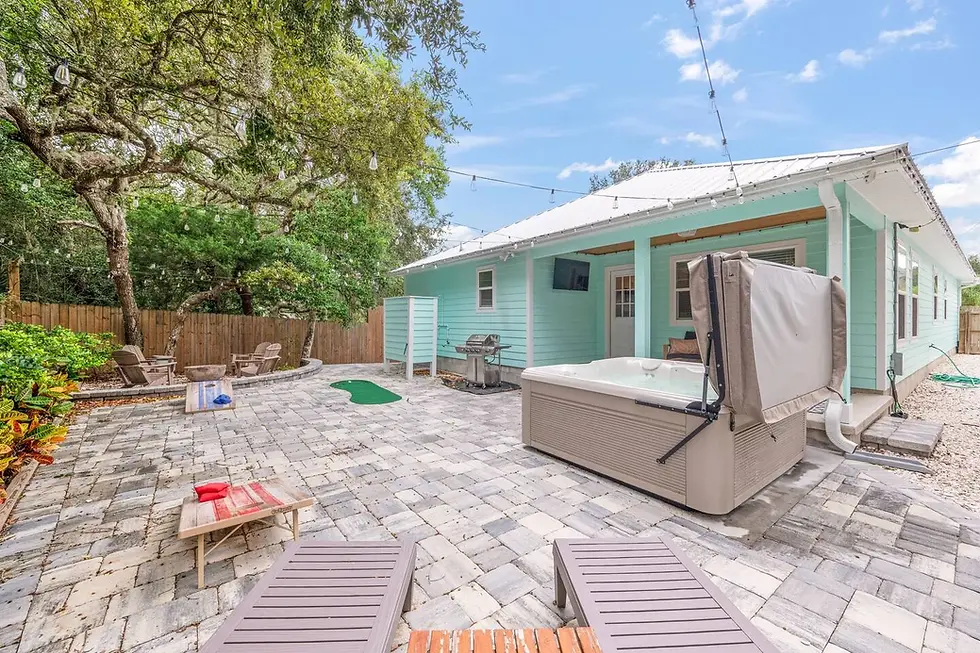
Properties in Vilano Beach and near St. Augustine Beach face sharper shoulder season drops because their primary appeal is beach access, which has a defined seasonal demand curve. The recovery strategy here is layered amenity positioning: a home with a hot tub, fire pit, kayaks, and outdoor entertainment space can be marketed as a fall escape or winter weekend retreat even when beach weather is variable. Properties without those amenity layers have fewer levers to pull when beach demand drops. Explore your next coastal vacation getaway in Vilano Beach, Florida to see how amenity-rich beachfront listings position themselves year-round. For inspiration on how staging and photography can amplify these amenities, vacation rental photography staging secrets that triple booking inquiries offers practical guidance. Owners who want to understand how interior design choices support year-round appeal can explore vacation rental design trends that actually boost booking revenue for actionable ideas. For a broader look at available beachfront options, 12 Best Places To Stay Unforgettable Things To Do In St Augustine covers the top accommodations and activities across the city. Professional STR interior design services can also help beachfront owners create interiors that photograph well and appeal to shoulder season guests seeking a cozy retreat. Owners who want to understand how the co-hosting model applies to beachfront properties can consult The Ultimate Guide To St Augustine Co Hosting Vacation Rental Management for a detailed look at how co-hosting structures operate across different property types in this market.
Canal-Front and Waterfront Properties
Canal-front homes with dock access attract a distinct traveler segment: boaters, kayakers, and fishing enthusiasts whose ideal conditions often fall in shoulder months when the water is calm and uncrowded. A property with dock access, kayaks, and paddle boards can legitimately market October and November as prime paddling and fishing season in Northeast Florida, which it genuinely is. This is not manufactured demand; it is matching an existing traveler segment to conditions that actually suit them. Luxury Stays in St. Augustine increasingly feature these waterfront amenities as year-round differentiators. You can also explore available Listings across property types to see how waterfront and historic homes are positioned for year-round appeal. For owners who want professional support managing a waterfront property, St Augustine Florida Vacation Rentals Complete Owner S Guide provides a thorough overview of the ownership and management considerations involved. Owners who want to understand how management decisions affect landlord versus manager responsibilities can also review Property Manager vs Landlord: Which Path Maximizes Your Rental Income before deciding how to structure their waterfront property's management.
What Is a Good Occupancy Rate for a Holiday Let?
A good occupancy rate for a holiday let, or short-term vacation rental, is typically 55-65% on an annualized basis in US markets, with top-performing properties in strong destinations reaching 70-75% and highly seasonal markets accepting lower annual averages if peak periods are maximized. For St. Augustine specifically, AirDNA's market Investability score of 87 and Rental Demand score of 84 indicate strong underlying fundamentals that support occupancy at or above the 55% benchmark for well-managed properties.
The distinction between "holiday let" occupancy expectations and year-round rental benchmarks matters because holiday let performance is inherently lumpy. Chasing a uniform monthly occupancy figure misses the point. What matters for profitability is whether your peak periods are fully optimized, your shoulder periods are strategically priced rather than aggressively discounted, and your annual RevPAR reflects efficient use of your available inventory. St. Augustine's RevPAR of $157.50, up 6% year-over-year per AirDNA, suggests the market as a whole is becoming more efficient at converting available nights into revenue. For a comprehensive look at luxury rentals St. Augustine, FL that command premium rates year-round, the property positioning principles apply equally to shoulder season strategy. Owners evaluating whether their property qualifies can start with a STR property evaluation to benchmark their asset against current market standards. For a look at one of the market's most anticipated high-end properties, Why Bella Donna Is The Most Anticipated Luxury Vacation Rental In St Augustine Fl illustrates how premium positioning supports year-round demand. Owners who want a full-service partner can review 8 key benefits of a property manager for your St. Augustine vacation rental to assess whether professional management fits their goals. Owners who also want to understand tax implications can consult Your Guide To Short Term Rental Tax Deductions In St Augustine Fl for a practical overview of deductions available to St. Augustine STR owners. For compliance requirements beyond taxes, Short Term Rental Str Business License Tax Compliance Guide covers the licensing and regulatory obligations every St. Augustine STR owner should understand. Owners who want guidance on keeping their property guest-ready between bookings can also consult The Ultimate Vacation Rental Cleaning Checklist For St Augustine Owners to ensure consistent turnover quality throughout the year. Owners who want to understand what burnout looks like in property management and how to avoid it can also read I Hate Being a Property Manager: What to Do When You Burn Out for a candid look at the challenges of self-managing a vacation rental year-round.
How Can St. Augustine Hosts Recover Shoulder Season Occupancy?
Recovering shoulder season occupancy in St. Augustine requires a different approach than simply lowering your nightly rate. Price reductions attract guests, but they also compress margins and can damage your listing's perceived value for future peak periods. The most effective shoulder season recovery strategies focus on expanding your addressable guest pool, aligning your calendar with local demand drivers, and optimizing your listing to surface in searches that shoulder season travelers actually conduct.
Activate Event-Based Pricing and Calendar Alignment
St. Augustine's event calendar provides natural demand anchors throughout the year. The Night of Lights St. Augustine season generates genuine demand from mid-November onward. The Nights of Lights 2025 to 2026 ultimate downtown guide is an essential resource for understanding how this event drives rental demand and how to align your pricing calendar with it. The Pirate Gathering historically draws thousands of visitors with a distinct travel motivation. The St. Augustine Food and Wine Festival attracts a culinary traveler segment that skews toward couples and adults, not school-constrained families. Building your minimum stay rules and pricing tiers around these specific events, rather than applying blanket seasonal rates, captures the demand that does exist during otherwise soft periods.
Practical step: map every St. Augustine event with confirmed 2026 dates onto your pricing calendar and set event-specific minimum stays and rate premiums at least 90 days in advance. Most hosts wait until the event is imminent, by which point sophisticated travelers have already booked. For owners who want to apply Revenue Maximization Techniques St. Augustine, FL STR Owners Use in Peak Season, the same event-aligned principles translate directly to shoulder season strategy.
Adjust Minimum Stay Requirements Strategically
AirDNA data shows that 33.7% of St. Augustine listings require a 3-night minimum stay and 29.2% require 2 nights. During peak season, 3-7 night minimums make sense to protect against single-night gaps that lower revenue efficiency. During shoulder months, rigid minimum stays block the 2-night weekend bookings that couples and anniversary travelers, two segments with strong shoulder season demand, are actively searching for. Relaxing your minimum stay to 2 nights for specific shoulder month windows, while maintaining longer minimums around event weekends, fills calendar gaps without sacrificing rate integrity. Expert Airbnb host tips for beginners in St. Augustine cover minimum stay configuration as a foundational revenue lever. For a broader operational framework, The Ultimate Guide To St Augustine Str Management Boost Your Rental Income addresses how minimum stay strategy fits within a complete STR management approach.
Reposition Your Listing Description for Shoulder Season Audiences
Your peak season listing description likely emphasizes beach proximity, outdoor space for families, and summer activities. That same description actively works against you during shoulder months by signaling to non-family travelers that the property was not designed for them. Consider creating seasonally adjusted descriptions or a secondary listing variation that leads with fall foliage walks on Anastasia State Park trails, uncrowded historic district exploration, and evenings by a fire pit as the core guest experience.
Listing optimization for shoulder season search terms is one area where professional management adds consistent, measurable value. This is exactly the kind of ongoing work that In The Sun VR handles for its clients, adjusting listing copy, pricing rules, and channel strategy as seasons shift rather than setting and forgetting a single configuration year-round. For more on how professional management approaches these decisions, the ultimate guide to vacation rentals in St. Augustine, Florida covers the full operational picture. Owners who want to explore professional support can book a call with our team to discuss their specific property and goals. For an overview of the options available, The Ultimate Guide To Vacation Rental Management In St Augustine Florida Top Companies Of 2026 compares leading management approaches in this market. Owners who want to understand what sets top firms apart can also review The Gold Standard Of Vacation Rental Management for the benchmarks that distinguish exceptional management from average service. For owners who want to understand how a 5-Star Guest Experience and Hosting in St. Augustine, FL: The Complete 2026 Guide translates directly into stronger shoulder season reviews and repeat bookings, the connection between guest satisfaction and off-peak occupancy is direct. Owners searching for Airbnb management companies can also consult A Guide To Finding The Best Airbnb Management Companies Near Me In Florida for a framework to evaluate and compare Florida-based management firms.
Target the Multi-Channel Distribution Advantage
AirDNA data shows that 64% of St. Augustine STR listings are dual-listed on both Airbnb and Vrbo, while 24% list only on Airbnb and 12% list only on Vrbo. Single-channel hosts are structurally limiting their shoulder season exposure. Vrbo attracts a meaningfully different traveler demographic, skewing toward families booking further in advance on longer stays, while Airbnb captures a higher share of last-minute, shorter-stay bookings that dominate shoulder month demand. Operating on both platforms, with channel-appropriate messaging and pricing, reaches both segments. If you are Airbnb-only and wondering why your shoulder season is worse than a comparable property down the street, channel distribution is worth examining before anything else. Why book direct with vacation rental owners instead of through OTAs like Airbnb or Vrbo explains an additional distribution layer that top-performing hosts use to reduce platform dependency. For owners considering Airbnb Cohosting St Augustine as a way to manage multi-channel distribution without handling it themselves, co-hosting arrangements offer a practical middle ground.
Understanding how your listing reaches travelers across channels connects directly to broader questions about whether professional management delivers enough value to justify the cost. The analysis at whether property management is worth it for St. Augustine owners addresses that question with specifics relevant to this market. For a side-by-side breakdown of self-management versus co-hosting, co-hosting vs self management walks through which path maximizes STR profits. Owners who want a full picture of what top firms offer can review the top vacation rental management companies in St. Augustine, FL 2026 guide before making a decision. Owners who want to evaluate whether switching to professional management makes financial sense can also consult Why 73 Of St Augustine Str Owners Switch To Professional Management for data on why owners make that transition. For a comprehensive guide to Saint Augustine property management options, The Ultimate Guide To Saint Augustine Property Management covers the full range of management structures available to local owners.
Consider Mid-Term Stay Promotions for the Deepest Slow Periods
During the deepest shoulder stretches, typically late January through February and parts of October, mid-term stays of 14-30 nights can stabilize revenue where short-term demand is genuinely thin. St. Augustine attracts snowbirds, remote workers, and corporate travelers during cooler months who value a month-long base over a series of hotel nights. The 17.4% of St. Augustine listings that accept 30-plus night bookings are already capturing this segment. If your property is configured for it, a single 28-night booking at a discounted monthly rate often outperforms a month of failed 3-night booking attempts during a true trough period. Exploring co-hosting St. Augustine, FL case studies shows how owners use flexible stay structures to generate passive income across all seasons. For a broader view of how professional managers approach these decisions, our Guides cover shoulder season tactics and revenue strategy across property types. Owners who enjoy golf or attract golf-focused guests will also find value in Golf content highlighting St. Augustine's year-round appeal for that traveler segment, including the unique Tee Off In The Sun St Augustine S Only Vacation Rental With A Private Golf Simulator property. Owners who want a complete operational framework can also explore The Ultimate Guide To St Augustine STR Management Maximize Your Revenue for strategies that apply across every season. Owners considering professional co-hosting as an alternative to full management can review A Guide To St. Augustine Airbnb Co Hosting Boost Your Rental Income for a detailed look at how co-hosting arrangements work in this market. For owners who want to manage their St. Augustine property from a distance, How To Manage Your St Augustine Airbnb Remotely Boost Your Income covers the tools and strategies that make remote management viable across all seasons. Owners who want a complete reference for co-hosting management in this market can also consult The Ultimate Guide To St Augustine Cohosting Vacation Rental Management for a detailed overview of how co-hosting structures operate locally.
Frequently Asked Questions
What is the average vacation rental occupancy rate in St. Augustine, FL?
According to AirDNA, the average STR occupancy rate in St. Augustine is 56%, up 4% year-over-year. This market-wide average includes both professionally managed listings and part-time hosts, so well-optimized properties typically outperform this benchmark while under-managed listings pull the average down.
When is shoulder season for vacation rentals in St. Augustine?
St. Augustine experiences two primary shoulder seasons: late September through mid-November, the post-summer gap before Nights of Lights demand builds, and late January through February, after holiday travel concludes. A secondary softer period can also occur in March before spring break demand fully arrives, depending on the year's event calendar.
How much does a St. Augustine vacation rental earn per year?
AirDNA data shows the average annual STR revenue per listing in St. Augustine is $35,500, up 3% year-over-year, with an average daily rate of $285.80. Revenue varies significantly by property size, location, amenity profile, and management quality, so individual properties can fall well above or below this market average.
Does listing on both Airbnb and Vrbo improve occupancy during slow periods?
Yes, dual-channel listing consistently improves occupancy during shoulder months because the two platforms attract different traveler segments and booking patterns. AirDNA data shows 64% of St. Augustine STR listings are already on both platforms. Hosts operating on a single channel are limiting their visibility precisely when demand is most competitive.
Should I lower my nightly rate during St. Augustine's shoulder season?
Modest rate adjustments during soft periods can improve occupancy without significantly damaging annual revenue, but deep discounting is rarely the right answer. The more effective approach is combining dynamic pricing adjustments with reduced minimum stay requirements, improved listing descriptions targeting shoulder season travelers, and calendar alignment with local events that generate genuine demand during otherwise slow months.
How does St. Augustine's Nights of Lights affect STR occupancy?
Nights of Lights, which historically runs from mid-November through January, is St. Augustine's most significant shoulder season demand driver. Properties well-positioned for the event, particularly those within walking or easy driving distance of the historic district, experience occupancy and rate premiums during this period that partially offset the fall shoulder season dip. Hosts who price proactively around Nights of Lights dates, rather than waiting until bookings arrive, capture the best-rate windows.
What is the best way to find out if my St. Augustine rental is underperforming?
Compare your property's monthly occupancy and average daily rate against the St. Augustine market benchmarks from AirDNA, specifically the 56% market-wide occupancy rate and $285.80 ADR. If your annual occupancy is significantly below 56% or your ADR trails the market average for your property size, the gap typically traces to pricing strategy, listing quality, channel distribution, or minimum stay configuration. Our Information resources provide additional context on interpreting these benchmarks for your specific property type.
What This Means for Your St. Augustine Investment in 2026
St. Augustine's vacation rental occupancy rates reflect a market with genuine, durable demand backed by a 2026 national ranking of 16th among the best small towns to visit in the United States. The city's Spanish colonial heritage, Atlantic beaches, and walkable historic core attract a breadth of traveler types that purely seasonal beach markets cannot match. But strong market fundamentals do not automatically protect individual listings from shoulder season occupancy drops.
The hosts outperforming the 56% market average in 2026 share a few consistent traits: they manage their listing across multiple channels, they align pricing and minimum stay rules with the local event calendar, and they actively reposition their property's narrative for different guest segments as seasons shift. The hosts underperforming are largely doing the opposite: holding static peak-season configurations, discounting reactively when bookings slow, and operating on a single platform. Reviewing what it takes to become a top 1% vacation rental listing reveals the operational discipline that separates consistently high performers from the rest of the market. Owners curious about what their property could realistically earn should also consider what your vacation rental ROI calculator isn't telling you before making management decisions based on projected numbers alone. For owners who want to understand how The Best Airbnb Management Companies In St Augustine An Owner S Guide evaluates firms on exactly these performance criteria, the comparison provides useful context for any owner considering a management change. Owners who want additional perspective on the decision to bring in professional help can also read The Secret Ingredient To Real Estate Success for insight into what consistently differentiates high-performing investors in this market.
If your property's seasonal pattern feels unpredictable, the good news is that St. Augustine's demand drivers are among the most consistent of any Florida STR market. The seasonality is real, but it is also legible and manageable with the right approach. For deeper context on timing your revenue strategy across the full calendar year, the guide to maximizing St. Augustine vacation rental income by season builds on exactly the framework covered here. Owners looking for a complete overview of the local management landscape will find the best vacation rental management companies in St. Augustine 2026 guide a useful starting point for evaluating their options. For a comprehensive resource on how to maximize your Airbnb revenue in St. Augustine, expert rental management tips cover the full range of strategies applicable to both peak and shoulder seasons. Owners who want additional perspective on navigating the full management landscape can also consult Your Guide To Vacation Rental Management In St Augustine Florida for a practical orientation to the local market. For owners who want a detailed breakdown of how to select the right management partner, the 7 best property management companies in St. Augustine for vacation rentals offers a side-by-side comparison of leading firms in this market. Owners who want a complete overview of the St Augustine Property Management landscape, from full-service firms to co-hosting arrangements, will find the local options well-suited to a range of investment goals. For a detailed look at property management options suited to smaller portfolios, Best Property Management Companies for Small Landlords in St. Augustine covers firms that specialize in serving individual owners and small investors in this market.

Managing a St. Augustine vacation rental through seasonal demand cycles requires consistent attention to pricing, listing strategy, and guest targeting across every month of the year, not just the peak weeks. If that level of active management sounds like more than you want to handle alongside your other priorities, that is a reasonable place to be. In The Sun VR offers revenue management, listing optimization, and full-service vacation rental management tailored specifically to the St. Augustine market. Our team handles the dynamic pricing adjustments, channel distribution, and seasonal strategy shifts so your property maintains strong occupancy whether it is peak July or shoulder October. Contact In The Sun VR to discuss your property and see what a managed approach could deliver.


Comments