

St. Augustine Property Management Guide for Owners (2026)

Updated: Oct 2
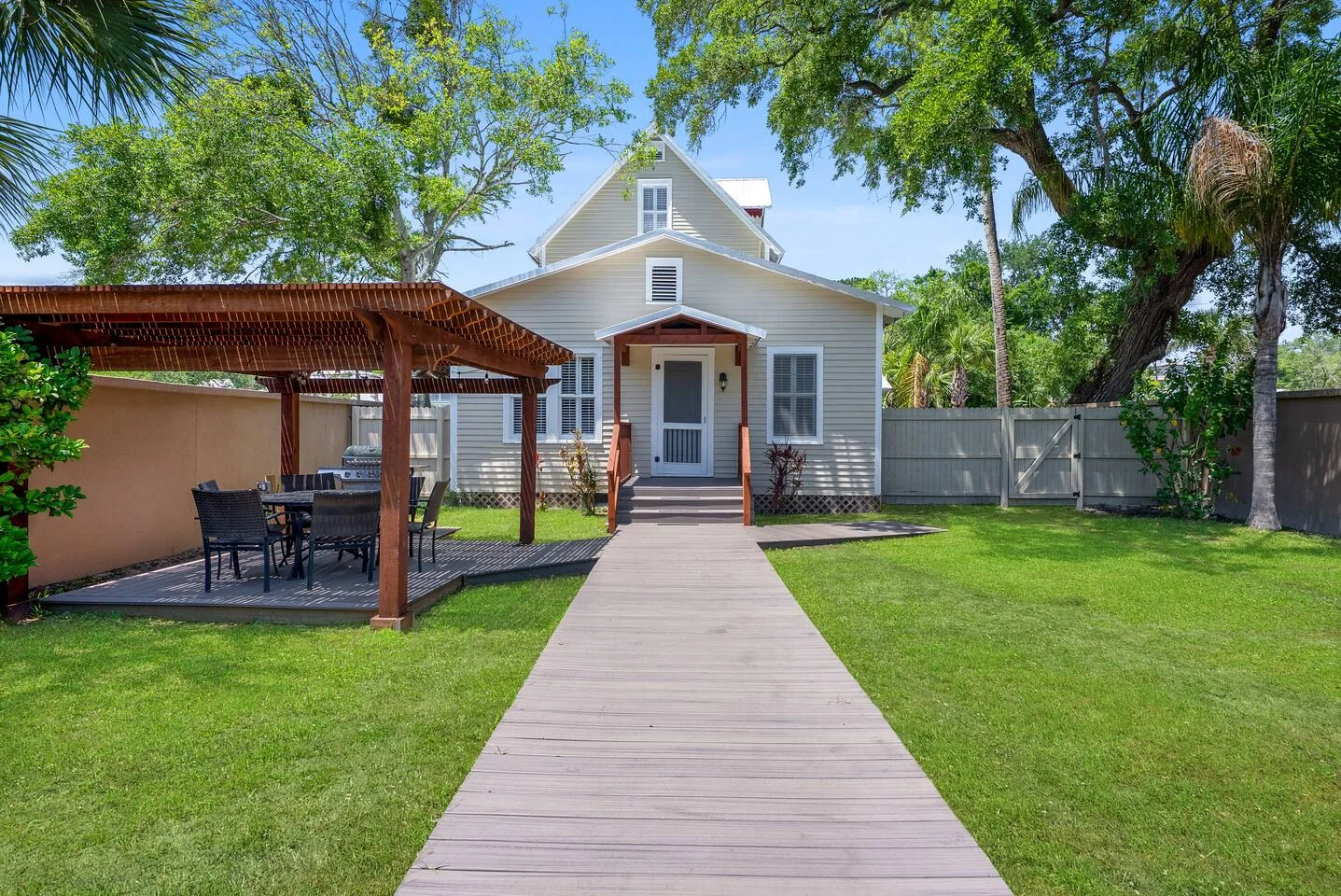
Property management in St. Augustine, FL requires specialized expertise in vacation rental markets, Florida compliance regulations, and the unique seasonal tourism patterns that drive rental income in this historic coastal city. Professional property management companies charge 8-12% for long-term rentals and 15-25% for vacation rentals, with additional fees for tenant placement, maintenance markup, and specialized services.
TL;DR: St. Augustine Property Management Essentials
Average property management fees: 8-12% for long-term rentals, 15-25% for vacation rentals in St. Augustine
St. Augustine vacancy rate sits at 4.2%, well below the national average of 6-7%
3-bedroom homes average $2,700/month rental income with 6-8% annual appreciation rates
Boutique management companies like In the Sun offer personalized service versus large corporate chains
Florida requires property managers to hold real estate licenses and maintain trust accounts
Key services include tenant screening, maintenance coordination, and regulatory compliance
The St. Augustine property management landscape has evolved significantly in 2026, with increasing demand for both long-term residential rentals and vacation rental management services. Property owners face complex decisions between self-management, traditional rental management, and vacation rental management, each requiring different expertise and fee structures. For a broader overview, our Guides cover every aspect of owning and managing rentals in the area.
At In the Sun, we've managed properties across St. Augustine and Vilano Beach for years, witnessing firsthand how professional management can transform underperforming properties into consistent income producers. The key lies in understanding which management approach aligns with your investment goals and property type. Our A Property Owner S Guide To Saint Augustine Property Management is a great starting point for new investors. You can also explore additional resources through our Information blog category for in-depth guidance on every aspect of property ownership.

What Are the Real Property Management Fees in St. Augustine, FL?
Property management fees in St. Augustine vary significantly based on property type, location, and service level. Long-term rental management typically ranges from 8-12% of monthly rent, while vacation rental management commands 15-25% due to increased operational complexity.
Ocean Realty & Property Management charges 10% of monthly rent plus 50% of one month's rent as a lease fee for full-service management. Their tenant placement only service costs one month's rent. This pricing structure reflects the St. Augustine market standard for established management companies.
Nest Finders offers comprehensive guarantees that justify their fees, including tenant replacement if residents leave before 9 months, pet damage coverage up to $2,500, and eviction protection up to $3,000. These value-added protections demonstrate how premium management services justify higher fees.
Service Level | Monthly Fee | Placement Fee | Additional Features |
Tenant Placement Only | 0% | 100% of first month | Screening, lease prep |
Basic Management | 8-10% | 50-100% of first month | Rent collection, basic maintenance |
Full-Service Management | 10-12% | 50-100% of first month | All services, inspections, legal |
15-25% | Setup fees $500-2000 | Dynamic pricing, guest services |
Hidden Costs to Watch For
Many property management companies add markup to maintenance and repairs, typically 10-20% above contractor costs. Ocean Realty specifically advertises no markup on routine maintenance, which can save owners hundreds annually on a typical rental property.
Additional fees may include application processing ($25-50 per application), late fee collection (25-50% of collected fees), eviction coordination ($500-1500), and annual property inspections ($100-200). Smart property owners budget an extra 2-3% of rent annually for these potential charges. Our Your Guide To Short Term Rental Tax Deductions In St Augustine Fl explains how to offset many of these costs at tax time.
How Do Long-Term and Vacation Rental Management Differ in St. Augustine?
The management requirements for long-term rentals versus vacation rentals in St. Augustine differ dramatically, affecting both service levels and pricing structures. Long-term management focuses on tenant retention and maintenance scheduling, while vacation rental management emphasizes guest experience and revenue optimization. For a comprehensive look at the short-term side, see The Ultimate Guide To Saint Augustine Short Term Rental Management.
Long-term rental management in St. Augustine involves annual lease cycles, consistent tenant relationships, and predictable maintenance schedules. Properties typically experience 12-24 month tenant stays, reducing turnover costs and vacancy periods.
Vacation rental management requires daily operations including guest communication, turnover cleaning between stays, dynamic pricing adjustments, and multi-platform marketing. In the Sun's vacation rental management includes 24/7 guest support, professional photography, and revenue optimization strategies that long-term management doesn't require. For a comprehensive breakdown, see our Your Ultimate Guide To Vacation Rentals In St Augustine Florida. Owners seeking additional perspective can also review The Ultimate Guide To Vacation Rental Management In St Augustine Florida 1 for further insight into this market. For even more depth, The Ultimate Guide To Vacation Rental Management In St Augustine Florida Top Companies Of 2026 covers the leading operators shaping the market this year.

Revenue Potential Comparison
The average 3-bedroom home in St. Augustine generates approximately $2,700 monthly as a long-term rental. The same property operated as a vacation rental can generate $4,000-6,000 monthly during peak seasons, but may see reduced income during slower periods. Understanding Are Short Term Rentals A Worthy Investment In 2025 Adaptability Holds The Key can help you evaluate whether the vacation rental model suits your goals.
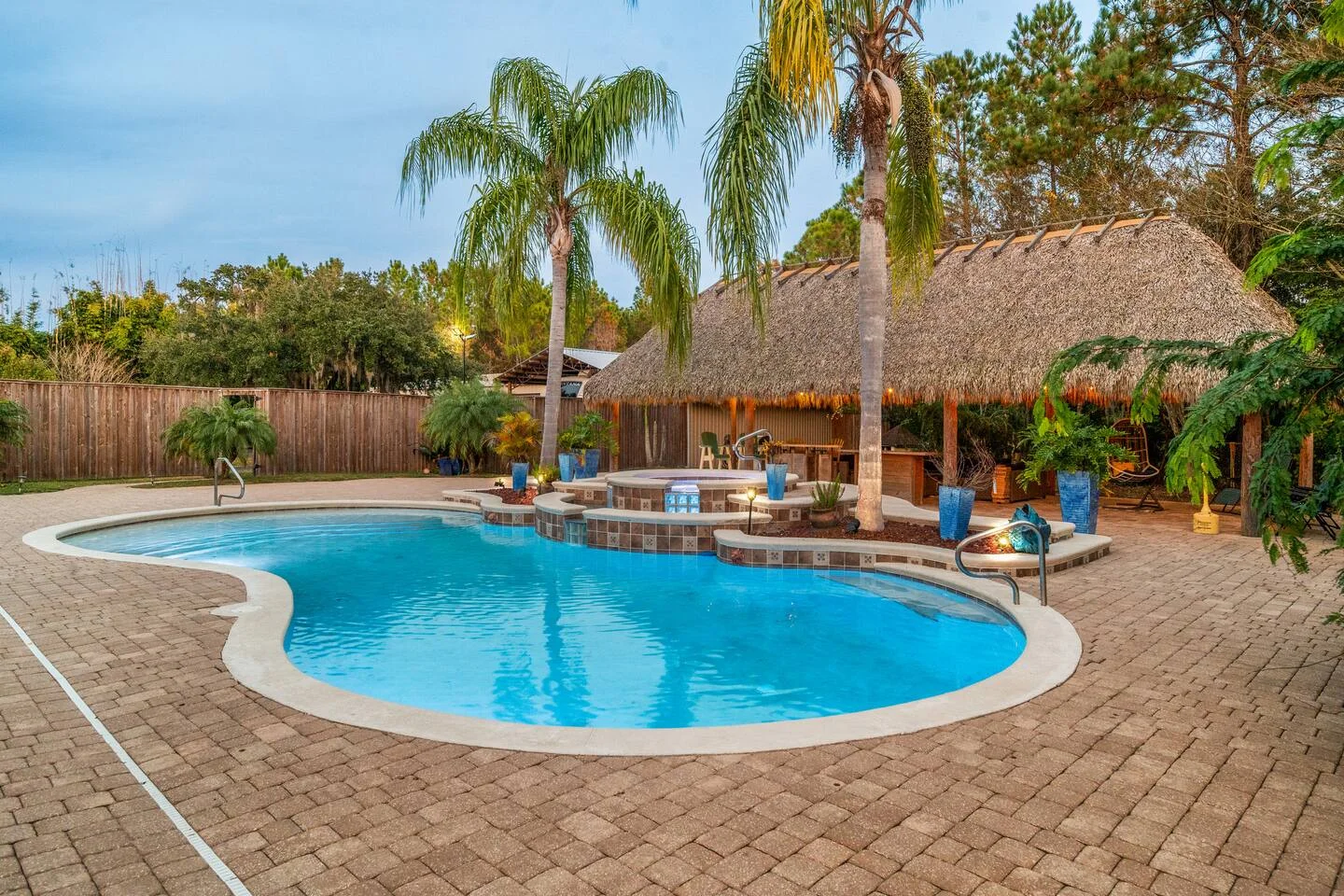
Vacation rental properties require higher upfront investments in furnishing, decor, and amenities. However, properties with unique features like pools, hot tubs, or historic character can command premium rates. Our portfolio demonstrates that well-managed vacation rentals typically outperform long-term rentals by 40-60% annually when accounting for seasonal variations. Owners considering a STR interior design upgrade often see an immediate boost in nightly rates and guest satisfaction. Owners who want to study proven Revenue Maximization Techniques St. Augustine, FL STR Owners Use in Peak Season will find that resource especially valuable for closing the gap between average and top-performing properties.
Operational Complexity Differences
Long-term rental management involves quarterly property inspections, annual lease renewals, and maintenance requests averaging 2-3 per month. Tenant turnover occurs every 12-24 months, requiring deep cleaning and potential upgrades.
Vacation rental management requires turnover services after every guest stay, constant pricing adjustments, guest inquiry responses within hours, and maintenance coordination that doesn't disrupt bookings. The Ultimate Guide To St Augustine Str Management Maximize Your Revenue explains why the operational intensity of short-term rentals drives management fees 5-15 percentage points higher than traditional rental management. Owners weighing their options should also explore Co-Hosting vs Self Management: Which Path Maximizes Your STR Profits? before making a final decision. Our guide on The Ultimate Guide To St Augustine Str Management Boost Your Rental Income provides additional strategies for increasing short-term rental revenue in this market.
What Are Florida's Legal Requirements for Property Managers?
Florida law requires property management companies to hold active real estate licenses and maintain separate trust accounts for client funds. Property managers must complete continuing education requirements and carry errors and omissions insurance to protect client interests.
The Florida Department of Business and Professional Regulation oversees property management licensing, requiring managers to pass state examinations and maintain professional standards. Unlicensed property management is a third-degree felony in Florida, making license verification crucial when selecting managers.
Trust account requirements mandate that all tenant deposits, rent payments, and owner funds be held separately from company operating accounts. Monthly reconciliations and annual audits ensure proper handling of client funds, with violations resulting in license suspension or revocation.
St. Augustine-Specific Regulations
St. Augustine enforces additional regulations for vacation rental properties, including business tax receipts, zoning compliance, and parking requirements. Properties in historic districts face architectural review requirements for exterior modifications. Our guide to Designing Historic District Compliant Rentals St Augustine Rules Guide walks through what owners need to know before making changes.
Short-term rental regulations require registration with the city, compliance with occupancy limits, and adherence to noise ordinances. Professional management companies handle these compliance requirements, reducing owner liability and ensuring operational continuity.
The St. Johns County health department regulates vacation rental sanitation standards, requiring specific cleaning protocols and inspection compliance. These regulations make professional management increasingly valuable for vacation rental operators. Our Your Ultimate Guide To Short Term Rental Management In St Augustine Florida details exactly how to stay compliant in this market.
How Do You Calculate Property Management ROI in St. Augustine?
Calculating property management ROI requires comparing the additional income and cost savings from professional management against the management fees paid. Most St. Augustine property owners see positive ROI within 6-12 months of hiring professional managers.
Professional management typically increases rental income through market-rate pricing, reduced vacancy periods, and higher tenant retention. The average professionally managed property in St. Augustine experiences 15-30 fewer vacancy days annually compared to self-managed properties.
Cost savings include reduced maintenance expenses through preferred vendor relationships, lower turnover costs through better tenant screening, and avoided legal expenses through proper compliance and eviction procedures. Use our A Guide To Your St Augustine Short Term Rental Income Calculator to model expected returns for your specific property. You may also want to read about What Your Vacation Rental ROI Calculator Isn't Telling You to avoid common blind spots in your projections.
ROI Calculation Framework
Annual rental income increases from professional management average $2,000-4,000 for typical St. Augustine properties through optimized pricing and reduced vacancy. Maintenance cost savings add another $800-1,500 annually through vendor relationships and preventive care programs.
Management fees on a $2,700 monthly rental average $324 monthly or $3,888 annually at 12% rates. When combined with placement fees and service charges, total annual management costs typically range $4,200-5,200.
The net ROI calculation shows most properties breaking even or generating positive returns within the first year. Properties with management-related improvements see accelerated ROI through higher rent potential and reduced maintenance emergencies. A free STR property evaluation can help you set accurate income expectations before committing to a management approach. The Secret Ingredient To Real Estate Success also explores the mindset and strategies that separate consistently profitable rental owners from the rest.

Benefit Category | Annual Value | Self-Managed Cost | Professional Management |
Reduced Vacancy | $2,700-4,050 | 30-45 days average | 15-20 days average |
Maintenance Savings | $800-1,500 | Retail contractor rates | Preferred vendor pricing |
Legal Protection | $1,000-3,000 | Owner liability | Manager handled |
Management Fees | -$4,200-5,200 | Owner time value | Professional service |
Should You Choose Boutique or Corporate Property Management?
The choice between boutique and corporate property management significantly impacts service quality, pricing, and owner experience in St. Augustine's competitive rental market. Boutique companies like In the Sun offer personalized attention and local expertise, while corporate chains provide standardized systems and broader resources. See our The Best Vacation Rental Management Companies In St Augustine 2026 Guide for a detailed side-by-side comparison of leading options.
Boutique property management companies typically manage 50-200 properties, allowing for personalized owner relationships and customized service approaches. Owners receive direct access to decision-makers and flexible service modifications based on property-specific needs.
Corporate management companies manage thousands of properties across multiple markets, offering standardized procedures, advanced technology platforms, and comprehensive insurance coverage. However, owners may experience less personalized service and slower response times for unique situations. Large national operators like Vacasa and Casago represent this corporate tier in the St. Augustine market. Owners researching all options in the region can also consult A Guide To Finding The Best Airbnb Management Companies Near Me In Florida for a broader look at how Florida operators compare. Local boutique operators like Saint Augustine Vacation Rentals and LUX St Augustine Vacation Rentals also serve distinct segments of this market.
Service Quality Differences
Boutique managers often provide monthly property updates, detailed financial reporting, and proactive maintenance recommendations. Response times for owner inquiries typically average 4-6 hours compared to 24-48 hours for larger companies.
Corporate managers excel in areas requiring systematic processes: tenant screening, legal compliance, and financial reporting. Their technology platforms often provide superior owner portals and automated communications, though with less personal touch. Guests booking through corporate managers can typically access tools like Trip Manager for self-service reservation management, and Trip insurance for added booking protection.
Local market expertise varies significantly between boutique and corporate managers. Boutique companies focusing on St. Augustine understand neighborhood nuances, seasonal patterns, and regulatory requirements that multi-market corporations may overlook. Our Saint Augustine vacation rental management services are built around exactly this kind of deep local knowledge.
Pricing Structure Variations
Boutique management companies often charge slightly higher management fees (10-12% vs 8-10%) but provide more comprehensive services within base fees. They're more likely to negotiate custom fee structures for multiple properties or unique situations.
Corporate managers may offer lower base rates but charge additional fees for services boutique companies include. Application processing, inspection reports, and maintenance coordination may incur separate charges, potentially equalizing total costs.
Vacation rental management shows more significant pricing differences, with boutique companies charging 20-25% for comprehensive hospitality services while corporate managers may charge 15-20% for basic operational management. Owners interested in a hybrid approach should also explore Airbnb Cohosting St Augustine as a cost-effective alternative. For real-world passive income examples from co-hosting St. Augustine, FL property owners, those case studies are well worth reviewing. Owners seeking the best Airbnb management options can also consult The Best Airbnb Management Companies In St Augustine An Owner S Guide for a thorough comparison of local operators. A Guide To St Augustine Airbnb Co Hosting Boost Your Rental Income offers additional strategies for owners who want to grow revenue through co-hosting arrangements. For a deeper dive into the co-hosting model, The Ultimate Guide To St Augustine Cohosting Vacation Rental Management covers everything property owners need to know about this management approach.
What Services Should Your Management Contract Include?
Comprehensive property management contracts should include tenant screening, lease preparation, rent collection, maintenance coordination, regular inspections, and financial reporting. Additional services like eviction assistance, emergency response, and marketing support vary by company and fee structure.
Essential services that all professional property managers should provide include credit and background screening for all applicants, comprehensive lease agreements compliant with Florida law, automated rent collection with late fee assessment, and 24/7 emergency maintenance response.
Value-added services that distinguish premium managers include regular property inspections with detailed reports, proactive maintenance recommendations, tenant retention programs, and comprehensive financial reporting with tax-ready documentation. For owners seeking an elevated guest experience, our Luxury Stays resources outline the standards top-tier management should meet. Owners who want to understand how design choices affect bookings can also review Vacation Rental Design Trends That Actually Boost Booking Revenue for actionable ideas that improve property performance. Delivering a 5-Star Guest Experience and Hosting in St. Augustine, FL: The Complete 2026 Guide is a benchmark every premium management contract should aim to meet.
Tenant Screening Standards
Professional tenant screening should include credit score verification (minimum 650 for most St. Augustine properties), criminal background checks covering 7-year periods, employment verification with income requirements 3x monthly rent, and previous landlord references for the past 2-3 years.
Nest Finders provides additional screening guarantees, replacing tenants who leave before 9 months at no charge to owners. This guarantee demonstrates confidence in their screening processes and reduces owner risk.
Screening standards should be consistent and legally compliant, avoiding discriminatory practices while identifying qualified tenants likely to fulfill lease obligations. Professional managers understand Fair Housing requirements and maintain documentation supporting all screening decisions.
Maintenance Coordination Requirements
Effective maintenance coordination includes 24/7 emergency response systems, preferred vendor networks with pre-negotiated rates, and work order tracking systems with owner notifications. Response time guarantees should specify emergency (same day), urgent (48 hours), and routine (1 week) service levels.
Quality managers maintain relationships with licensed contractors in all major trades: plumbing, electrical, HVAC, roofing, and general maintenance. Vendor insurance verification and performance monitoring ensure consistent service quality and protect owner liability.
Preventive maintenance programs identify potential problems before they become expensive repairs. Quarterly inspections, annual system servicing, and seasonal preparation reduce emergency maintenance costs and extend property life.
How Is the St. Augustine Rental Market Performing in 2026?
The St. Augustine rental market demonstrates strong performance in 2026, with vacancy rates at 4.2% well below national averages and consistent demand from both seasonal and year-round tenants. Tourism growth and remote work trends continue driving rental demand across all property types. For a full market snapshot, see our Homes For Rent In St Augustine Fl 2026 Rental Market Guide.
Average rental rates for 3-bedroom properties have reached $2,700 monthly, representing steady growth from previous years. Vacation rentals command premium rates during peak seasons (March-October), with successful properties averaging 65-75% annual occupancy rates.
Property appreciation rates in St. Augustine average 6-8% annually over the past decade, outpacing many Florida markets and providing strong investment returns for rental property owners. This appreciation, combined with rental income, creates compelling total return scenarios. Our St Augustine Florida Vacation Rentals Complete Owner S Guide covers how owners can capitalize on these trends. For owners focused on maximizing short-term rental income, Revenue Optimization for STR Owners in St. Augustine, FL: The Complete 2026 Guide provides a comprehensive roadmap to boosting earnings in this market.
Seasonal Demand Patterns
St. Augustine's tourism patterns create distinct seasonal variations in vacation rental demand. Peak season (March-August) sees 85-95% occupancy rates for well-managed properties, while shoulder seasons (September-November, January-February) average 45-65% occupancy. Owners can also capitalize on events like the Nights Of Lights 2025 2026 In St Augustine Florida festival to boost shoulder-season bookings, and our Night of Lights St. Augustine: The Complete 2026-2027 Visitor Guide details exactly when demand peaks. For a deeper look at how occupancy shifts throughout the year, see our analysis of why vacation rental occupancy rates drop in St. Augustine's shoulder season. Owners wanting to understand booking behavior can also review St Augustine Vacation Rentals Busy Season Is Coming Fast Here S Why You Should Book Now for insight into how peak demand drives booking timelines.
Long-term rental demand remains consistent year-round, driven by local employment, military personnel from nearby installations, and retirees seeking historic charm with coastal access. Winter months actually see increased long-term rental inquiries as seasonal residents return north. St. Augustine's appeal as a magical winter wonderland also draws short-term visitors during what might otherwise be a slow period for rental owners.
The college student market from nearby Flagler College creates additional rental opportunities, though most property managers focus on young professional and family segments for stability and rental rates.
Neighborhood Performance Variations
Downtown St. Augustine properties command premium rates due to walkability to attractions, restaurants, and historic sites, including landmarks like the Castillo de San Marcos National Monument and the Fountain of Youth Archaeological Park. However, parking limitations and noise ordinances create management challenges that affect some owner returns. Visitors looking for memorable stays near these sites often seek properties close to the St. Augustine Lighthouse & Maritime Museum and Anastasia State Park, making well-located rentals highly competitive. Historic properties like Colonial Quarter and the Lightner Museum draw visitors year-round, supporting strong demand for nearby vacation rentals. A property like the Castillo De La Paz, a restored 1900s church turned refreshing retreat in the heart of historic St. Augustine, illustrates how unique historic character can command exceptional rental rates. Guests staying in downtown properties with resort amenities, like those offered at St Aug Ocean and Racquet, benefit from the combination of location and on-site facilities that drive premium nightly rates.
Vilano Beach properties excel in vacation rental markets, offering ocean access, family-friendly environments, and resort-style amenities. Beach proximity justifies higher nightly rates and attracts quality tenants willing to pay premium rents. Our recent listing spotlight on a coastal vacation getaway in Vilano Beach Florida shows the caliber of properties available in this submarket. Beachside options like the Sand Dollar II and Old Town Retreat illustrate the range of vacation rental experiences available near the coast.
St. Augustine Shores and World Golf Village provide suburban rental opportunities with lower management complexity and steady long-term tenant demand. These neighborhoods appeal to families and professionals seeking space and amenities. World Golf Village is also a draw for visitors interested in Golf, adding vacation rental appeal to properties in that corridor. Properties like the one featured in Tee Off In The Sun, St. Augustine's only vacation rental with a private golf simulator, demonstrate how niche amenities can attract premium guests in this corridor.
What Technology Do Professional Property Managers Use?
Modern property management relies heavily on technology platforms for efficiency, communication, and financial management. Leading St. Augustine property managers utilize comprehensive software systems for tenant screening, rent collection, maintenance coordination, and owner reporting.
Nest Finders employs Matterport 3D virtual tour technology, generating 49% more leads and 2.5-3x higher engagement rates compared to traditional photography. This technology advantage translates to faster tenant placement and reduced vacancy periods. Owners who want to learn how professional vacation rental photography and staging can triple booking inquiries will find that resource especially useful.
Property management software platforms typically include online rent payment processing, maintenance request systems, document storage, and automated communications. Ocean Realty provides both Owner Login Portal and Tenant Login Portal through integrated platforms allowing real-time access to account information.
Owner Communication Technology
Professional property managers provide owner portals with 24/7 access to financial statements, maintenance updates, tenant communications, and property performance metrics. Monthly reporting automation ensures consistent owner updates without manual intervention.
FirstService Residential offers HODA (Homeowner Digital Assistant) providing 24/7 text and web chat responses for immediate owner support. This technology reduces response delays and improves owner satisfaction.
Mobile applications allow owners to approve maintenance requests, review financial reports, and communicate with management teams from any location. Cloud-based document storage ensures important lease agreements, inspections, and financial records remain accessible.
Tenant Service Technology
Tenant portals streamline rent payments, maintenance requests, and lease communications while reducing administrative workload for property managers. Online payment processing increases on-time payment rates and reduces collection efforts.
Automated communication systems handle lease renewal notifications, maintenance scheduling, and emergency alerts without manual manager intervention. However, personal communication remains important for tenant retention and satisfaction.
Smart home technology integration allows remote monitoring of maintenance issues, energy efficiency optimization, and enhanced tenant convenience. Properties with smart thermostats, leak detectors, and keyless entry often command higher rental rates. Owners seeking to understand how technology drives revenue should also read about How Smart Vacation Rental Pricing Algorithms Beat Human Strategy and explore Dynamic Pricing Strategies For St Augustine Rentals Beyond Fixed Rates.
How Do Property Managers Handle Maintenance Emergencies?
Professional property management companies maintain 24/7 emergency response systems with pre-approved vendors and clear escalation procedures. Emergency situations include water leaks, electrical hazards, heating/cooling failures, and security concerns requiring immediate attention.
Response protocols typically involve initial phone assessments to determine emergency severity, immediate vendor dispatch for confirmed emergencies, and owner notifications within specified timeframes. Quality managers maintain relationships with licensed contractors available for after-hours service.
Emergency response costs often exceed normal maintenance due to after-hours service premiums and urgent material requirements. Professional managers balance immediate response needs with cost control through vendor relationships and preventive maintenance programs.
Emergency Response Timeline Standards
True emergencies requiring immediate response include water pipe bursts, electrical hazards, heating failures in winter, and cooling failures during summer heat. Professional managers dispatch vendors within 1-2 hours and provide owner notifications immediately.
Urgent but non-emergency issues include appliance failures, minor leaks, and access problems requiring 24-48 hour responses. These situations receive priority scheduling but don't justify emergency service premiums.
Routine maintenance requests receive responses within 3-5 business days unless tenant safety or property damage risks exist. Professional scheduling balances efficiency with cost control while maintaining tenant satisfaction.
Vendor Network Management
Successful property managers maintain networks of licensed, insured contractors across all major trades with pre-negotiated rates and response time commitments. Vendor insurance verification protects property owners from liability during maintenance work.
Performance monitoring ensures consistent service quality through work completion tracking, cost comparisons, and tenant feedback collection. Underperforming vendors face replacement to maintain management company standards.
Emergency vendor availability requires premium service agreements but ensures property protection during critical situations. The cost of maintaining these relationships pays dividends when emergencies occur.
What Are the Downsides of Property Management?
Professional property management can reduce an owner's workload, but it also comes with trade-offs. The main downsides include management fees, less direct day-to-day control, possible communication gaps, and differences in service quality between providers. The key is determining whether a manager's operational performance, local expertise, and revenue strategy provide enough value to justify those trade-offs.
How Do You Know If Your Property Manager Is Underperforming?
A persistent gap between your property's performance and comparable St. Augustine rentals can be a sign that management needs attention. Warning signs may include flat nightly rates that do not adjust for high-demand periods, recurring cleaning complaints, slow maintenance follow-up, delayed owner reporting, weak guest response times, outdated listing photos, or occupancy that consistently trails similar properties.
Owners should compare performance against current local market conditions rather than relying only on year-over-year revenue. A property can appear to be improving while still underperforming comparable rentals in the same neighborhood. Regular benchmarking makes it easier to identify whether pricing, listing quality, operations, or management strategy needs improvement.
What Are the Most Important Questions to Ask Property Managers?
Selecting the right property manager requires asking specific questions about fees, services, experience, and procedures. Focus on understanding exactly what services are included in quoted fees and what additional charges might apply throughout the management relationship.
Essential questions include: What is your total fee structure including all potential charges? How do you screen tenants and what are your qualification standards? What is your average vacancy time for similar properties? How do you handle maintenance emergencies and what are your response times?
Additional important questions: How often do you inspect properties and what is included in inspection reports? What technology platforms do you use for owner communication and tenant services? How do you handle difficult tenants and what are your eviction procedures?
Financial Transparency Questions
Understanding the complete financial relationship requires asking about all fees, charges, and potential costs throughout the management term. Request detailed examples of monthly statements and annual tax reporting provided to owners.
Specific financial questions include: Do you mark up maintenance and repair costs? How are security deposits handled and who earns interest? What happens to rent payments if you go out of business? How quickly are owner proceeds distributed after rent collection?
Professional managers should provide clear, written fee schedules and maintain separate trust accounts for client funds. Transparency in financial handling indicates overall business integrity and professionalism. Our Revenue Management page explains how we approach financial optimization for every property we manage.
Service Level Expectations
Clarifying service level expectations prevents misunderstandings and ensures alignment between owner needs and manager capabilities. Discuss response times, communication frequency, and decision-making authority levels.
Important service questions include: What decisions can you make without owner approval? How quickly do you respond to owner inquiries? Do you provide regular property updates beyond financial statements? How do you handle tenant complaints and maintenance requests?
Request references from current clients managing similar properties in comparable locations. Quality managers readily provide references and portfolio examples demonstrating their capabilities and results. You can also browse our current Listings to see the standard of properties we manage firsthand.
Frequently Asked Questions
What is the average property management fee in Florida?
Property management fees in Florida typically range from 8-12% of monthly rent for long-term rentals and 15-25% for vacation rentals. In St. Augustine specifically, fees average 10-12% for traditional rentals due to the competitive market and tourism complexity. Additional fees may include tenant placement costs (50-100% of first month's rent) and various service charges.
What are the top 5 property management companies in St. Augustine?
The leading property management companies in St. Augustine include In the Sun (boutique vacation rental specialist), Ocean Realty & Property Management (full-service with 20+ years experience), Nest Finders (technology-focused with guarantees), FirstService Residential (community association specialist), and RentGains Property Management (local residential focus). Each offers different service specializations and fee structures. For vacation rental specialists specifically, our 7 Best Short Term Rental Management Companies In St Augustine list is a useful companion resource. Owners researching smaller operators should also review our guide to Best Property Management Companies for Small Landlords in St. Augustine. Our dedicated St Augustine Property Management page provides a full overview of the services and standards owners should expect from top local companies. Additional options in the market include Resort Rentals of St Augustine and Luxury Waterfront St Augustine Vacation Rental for owners seeking specialized rental services.
What are the 5 P's of property management?
The 5 P's of property management are People (tenant and owner relations), Property (maintenance and preservation), Processes (systematic operations), Profit (financial optimization), and Protection (legal and insurance compliance). Successful St. Augustine property managers excel in all five areas to deliver consistent results for property owners and maintain competitive advantages.
Do any celebrities live in St. Augustine?
While St. Augustine maintains privacy for high-profile residents, the area attracts notable figures drawn to its historic charm and coastal lifestyle. The city's unique character, cultural amenities, and relative privacy compared to larger Florida markets make it appealing to celebrities and wealthy individuals, though specific resident information remains private for security reasons.
How much can I expect to make with a vacation rental in St. Augustine?
Well-managed vacation rentals in St. Augustine typically generate 40-60% higher annual returns than long-term rentals. A 3-bedroom property averaging $2,700 monthly as a long-term rental could generate $4,000-6,000 monthly during peak vacation rental seasons, though seasonal variations affect annual totals. Success depends on location, amenities, and professional management quality. Owners of high-end properties should also explore what makes luxury rentals St. Augustine, FL command the highest nightly rates. Owners curious about the guest experience at top-tier properties can also explore 12 Best Places To Stay Unforgettable Things To Do In St Augustine to understand what draws guests to the market. For additional guidance on maximizing short-term rental income, Maximizing Your St Augustine Rental Expert Airbnb Host Tips For Beginners covers practical strategies that new hosts can apply right away. Owners who prefer booking direct over OTA platforms should also read Why Book Direct With Vacation Rental Owners Instead Of Through Otas Like Airbnb Or Vrbo to understand how direct bookings can improve both owner revenue and guest savings.
What licenses do property managers need in Florida?
Florida requires property managers to hold active real estate licenses, complete continuing education requirements, and maintain separate trust accounts for client funds. The Florida Department of Business and Professional Regulation oversees licensing, with unlicensed property management being a third-degree felony. Always verify license status before hiring any property management company.
How quickly can professional management increase my rental income?
Professional management typically increases rental income within the first lease cycle through market-rate pricing, reduced vacancy periods, and improved tenant quality. Most St. Augustine property owners see 15-30% income increases within 6-12 months through optimized pricing, faster tenant placement, and reduced maintenance costs from preventive care programs. Our post on How To Maximize Your Revenue With The Best Vacation Rental Management In St Augustine walks through the strategies that drive these results. Owners looking to squeeze more out of their listings will also benefit from reading How To Maximize Your Airbnb Revenue In St Augustine Expert Rental Management Tips. For a broader look at best practices, The Gold Standard Of Vacation Rental Management outlines the benchmarks that separate elite management companies from the rest. Owners who want to understand the full performance journey should also read From 4 6 Rating To 5 0 Rating What It Takes To Become A Top 1 Vacation Rental Listing, which documents exactly what separates average listings from the most sought-after rentals in the market.
Making the Right Property Management Choice in St. Augustine
Choosing the right property management company in St. Augustine requires balancing cost, service quality, and alignment with your investment goals. The 4.2% vacancy rate and strong appreciation trends make professional management an attractive option for maximizing rental returns while minimizing owner involvement.
Whether you select boutique personalized service or corporate systematic management depends on your priorities: hands-on involvement versus hands-off ownership, local expertise versus standardized processes, and customized service versus cost optimization. Both approaches can deliver positive results when matched to appropriate properties and owner expectations. Our guide to 8 Key Benefits Of A Property Manager For Your St Augustine Vacation Rental outlines exactly what professional management should deliver for your investment. Owners who prefer to manage their property remotely should also read How To Manage Your St Augustine Airbnb Remotely Boost Your Income for practical strategies that reduce hands-on involvement. Property Manager vs Landlord: Which Path Maximizes Your Rental Income is another essential read for owners still deciding how much control to retain over their investment.
Owners who prefer a hands-off local approach can explore our St. Augustine property management services to see what full-service management includes.
The key to successful property management relationships lies in clear communication, transparent fee structures, and aligned expectations between owners and managers. St. Augustine's unique market characteristics require managers with local expertise, tourism understanding, and regulatory compliance knowledge. Owners researching their options will find further depth in our The Ultimate Guide To Saint Augustine Property Management. Owners who want to understand how 73% of St. Augustine STR owners switch to professional management will find that article particularly illuminating before making a final decision. The Top 7 Property Management Companies In St Augustine Fl For Maximizing Your Roi is another resource worth reviewing as you compare your options. Owners who have reached a burnout point managing on their own should also read I Hate Being a Property Manager: What to Do When You Burn Out before making any decisions about the future of their rental. Owners who want a complete foundation before choosing a management path can also consult The Ultimate Guide To St Augustine Vacation Rental Management and Your Guide To Vacation Rental Management In St Augustine Florida for thorough overviews of the local management landscape. Owners exploring all available management formats will also benefit from reading The Ultimate Guide To Saint Augustine Airbnb Co Hosting Management and The Ultimate Guide To St Augustine Co Hosting Vacation Rental Management to compare co-hosting structures side by side.
If you're considering professional property management for your St. Augustine investment, In the Sun offers boutique vacation rental management with local expertise and hospitality-focused service. Our team understands the unique demands of St. Augustine's tourism market and provides comprehensive management services designed to maximize your property's potential while ensuring exceptional guest experiences. For more information about our services, book a consultation call to discuss your property management needs.


Comments